Expectancy: the one number that tells you if an edge is real
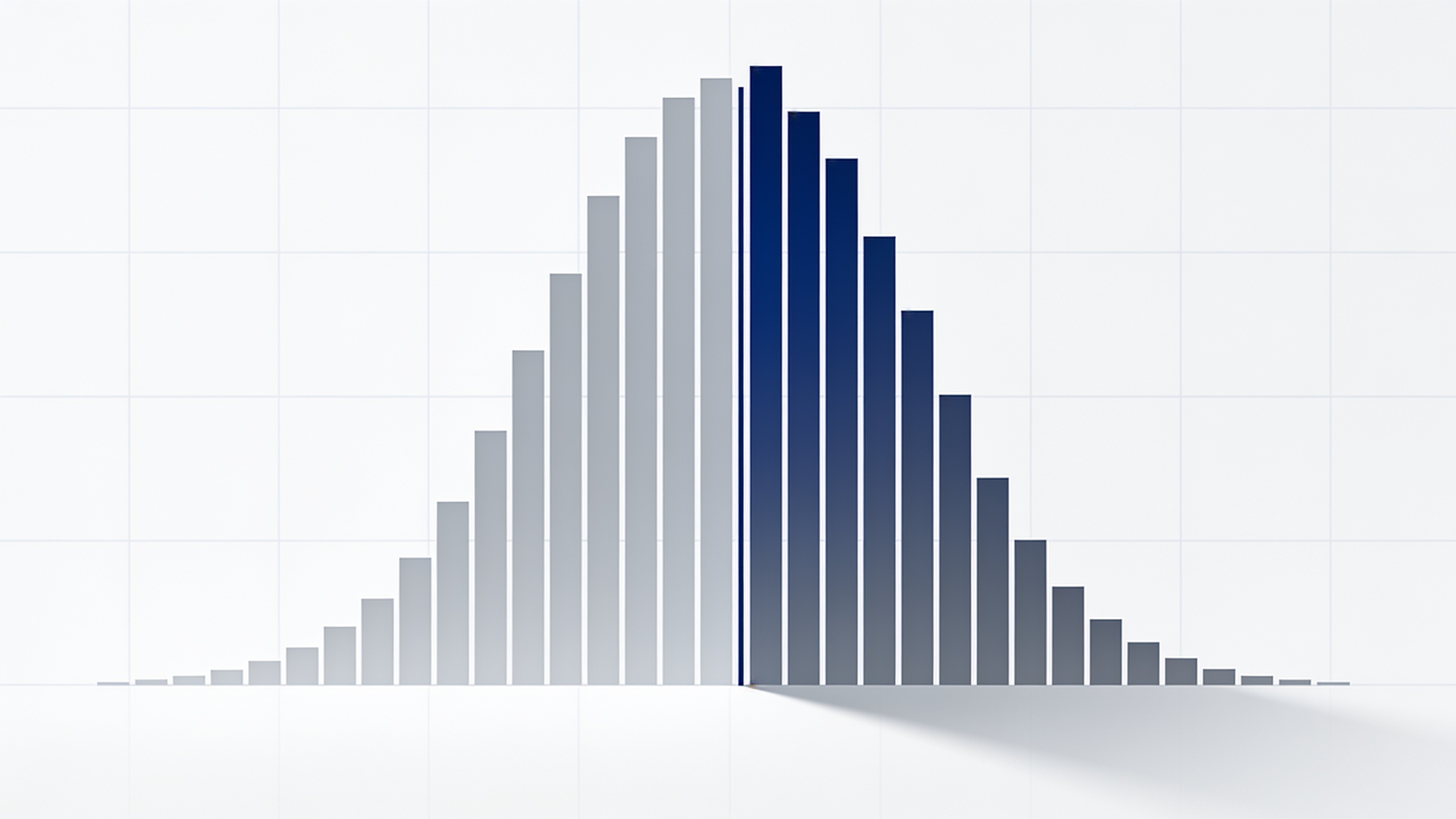
Ask a struggling trader about their system and they will often quote a win rate: "it wins seventy percent of the time." It sounds convincing, and it is almost meaningless on its own. A strategy can win most of its trades and still bleed the account dry, or win less than half and compound steadily. The number that settles the argument is expectancy, the average amount you can expect a strategy to make, or lose, per trade.
[01]Win rate is only half the story
Whether a system makes money depends on two things together: how often it wins, and how much it wins when it does versus how much it loses when it does not. A high win rate paired with tiny wins and occasional large losses is a slow-motion disaster. A modest win rate paired with wins that dwarf the losses can be excellent. You cannot judge one number without the other, which is why the win rate quoted in isolation is a red flag.
[02]What expectancy actually measures
Expectancy folds both halves into a single figure: the average result per trade, weighting the size of the typical win by how often you win, against the size of the typical loss by how often you lose. Positive expectancy means that, played enough times, the strategy tends to accumulate. Negative expectancy means the opposite, no matter how comforting the win rate looks. It is the arithmetic beneath every honest edge.
[03]Why it drives sizing and survival
Expectancy tells you whether an edge exists; position sizing decides whether you live long enough to collect it. A positive edge realised through a long sequence only pays out if no single stretch of losses ruins you first. This is the quiet link between a strategy’s statistics and its risk framework, the reward-to-risk ratio of each setup is one of the levers that shapes expectancy in the first place.
[04]A number to earn, not assume
Expectancy is only as trustworthy as the sample behind it. Forty trades tell you almost nothing; a small edge needs a large sample and out-of-sample validation before you believe it. And a positive figure from the past is a description, not a guarantee, expectancy can erode as conditions change, which is why systems are monitored rather than trusted blindly.
This is educational and illustrative, not financial advice. Past statistics never guarantee future results; measure honestly, size deliberately, and expect the numbers to move.