Why strategies stop working (and what to do about it)
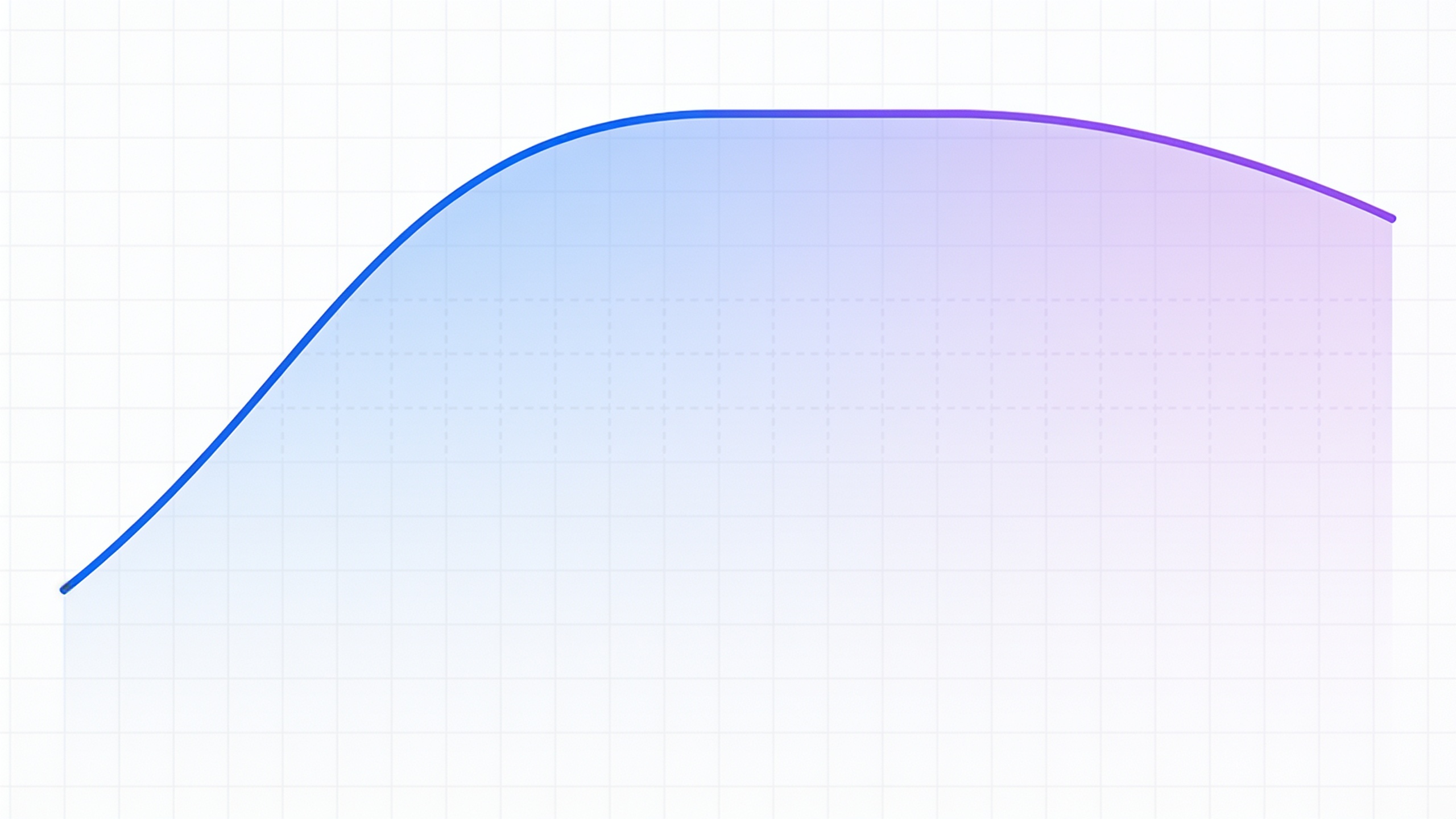
One of the hardest lessons in systematic trading is that a strategy which worked beautifully for months can simply stop. Nothing obvious breaks; the equity curve just flattens and then drifts down. Understanding why edges fade, and how to respond without panicking, is part of trading any system, automated or not.
[01]Markets change regime
Markets move through regimes: trending and ranging, calm and volatile, liquid and thin. A strategy is usually an implicit bet on one of these conditions. When the regime that suited it gives way to another, the same rules that printed profits start bleeding them, not because the strategy is wrong, but because the weather changed and it was dressed for a different season.
[02]Edges get crowded
An edge is also a resource that others can discover and compete away. As more participants trade the same inefficiency, it shrinks; the move that used to be reliable gets front-run or arbitraged until the margin is gone. Popularity is quietly corrosive to a simple, static strategy.
[03]Rough patch or broken system?
The practical difficulty is telling ordinary drawdown, which every strategy has, from genuine decay. This is where honest expectations set in advance are priceless: if you know the normal range of losing streaks from robust testing, a drawdown inside that range is noise, while one well beyond it is a signal to step back and review. Deciding the threshold before you are emotional about it is the whole trick.
[04]Why adaptability matters
This is a large part of the case for AI-assisted systems: rather than one frozen rule set that must be manually rewritten when conditions shift, a model can re-weight its inputs as the market changes. It is not immune to decay, nothing is, but adaptability buys resilience that a static script cannot offer. The discipline of monitoring and reviewing still belongs to you.
This is educational content, not financial advice. Past performance never guarantees future results; monitor any system, expect drawdowns, and manage risk on your own terms.