When the calendar moves the market
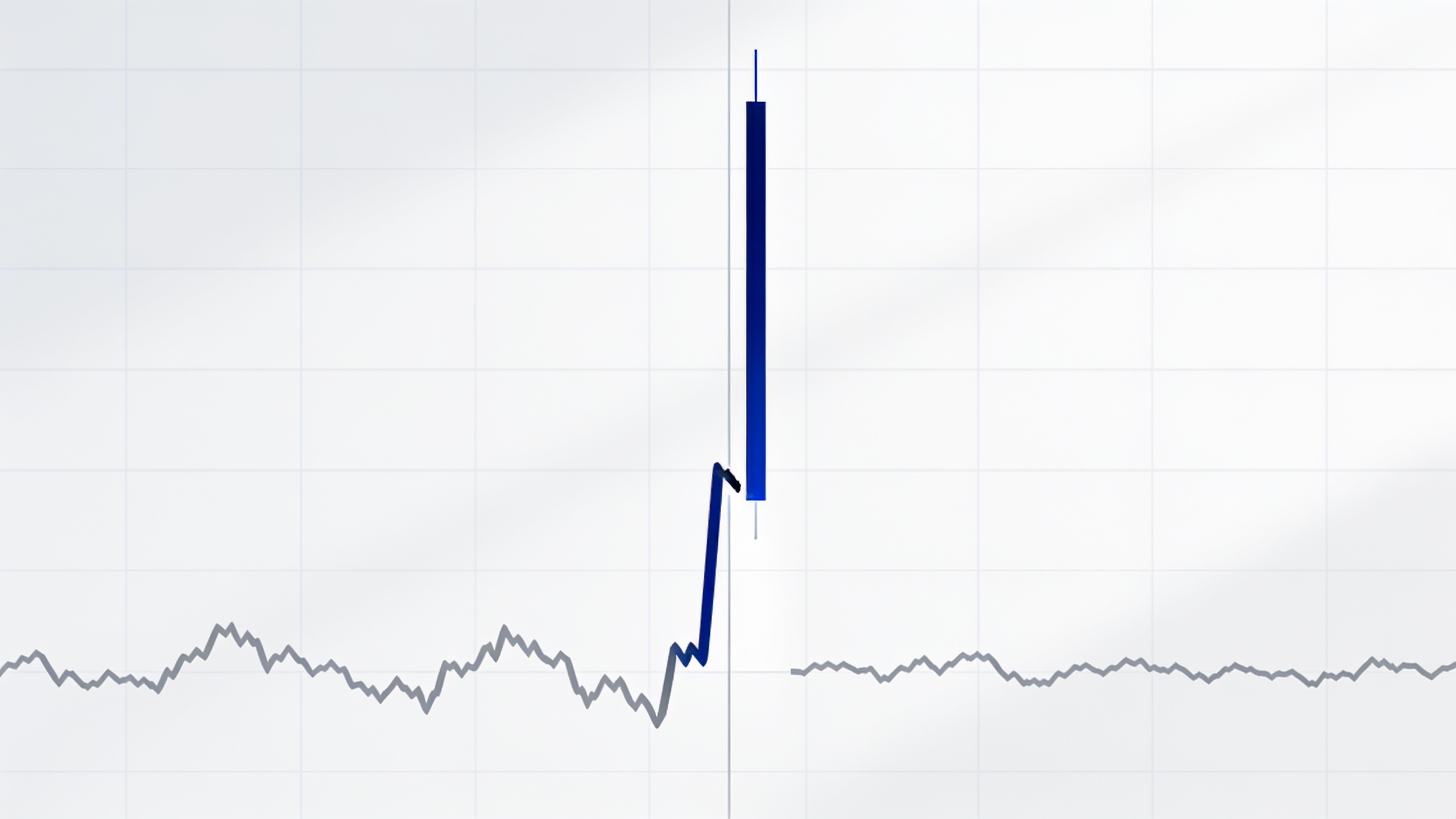
Most of the time, markets move in a way your system can handle. Then a scheduled number lands, a central-bank rate decision, an inflation print, a jobs report, and in a few seconds price can travel further than it usually does in a day. These moments are on the calendar in advance, which makes them one of the few genuinely predictable sources of danger. The question is not whether they will move the market, but whether your system is ready for them.
[01]Why events break normal assumptions
Around a high-impact release, the market’s usual mechanics distort. Spreads widen as liquidity providers step back, prices can gap straight through levels without trading at them, and slippage that is trivial on a calm day becomes severe. A stop is an instruction to trade at the next available price, not a guarantee of your exact level, and in a violent event the next available price can be far away. The frictions you normally budget for briefly balloon.
[02]The illusion of easy money
It is tempting to see a big scheduled move as an opportunity, surely you can position for it. But the direction of the reaction is genuinely hard to predict; markets often move on the gap between the number and what was already expected, not the number itself, and the first spike frequently reverses. Trading the event itself is closer to a coin flip with terrible execution than to an edge.
[03]Treat the calendar as risk management
For most automated systems the sober approach is defensive: know when the major releases land, and decide in advance how the system behaves around them. That might mean widening stops, reducing size, or simply standing aside through the window and resuming once liquidity normalises. This is a rules-in-advance decision, exactly the kind of boundary you set while calm, as part of staying in command of an automated system.
[04]Awareness, built in
The practical upshot is that an economic calendar is not a trading signal so much as a hazard map. A system that is aware of scheduled events can protect itself around them, which over time tends to matter more than any clever attempt to profit from the chaos. Avoiding the worst fills is its own kind of edge.
This is educational and illustrative, not financial advice. Event-driven moves can gap through stops and cause large losses; understand the calendar and manage exposure around it on your own terms.