Volatility is an input, not an enemy
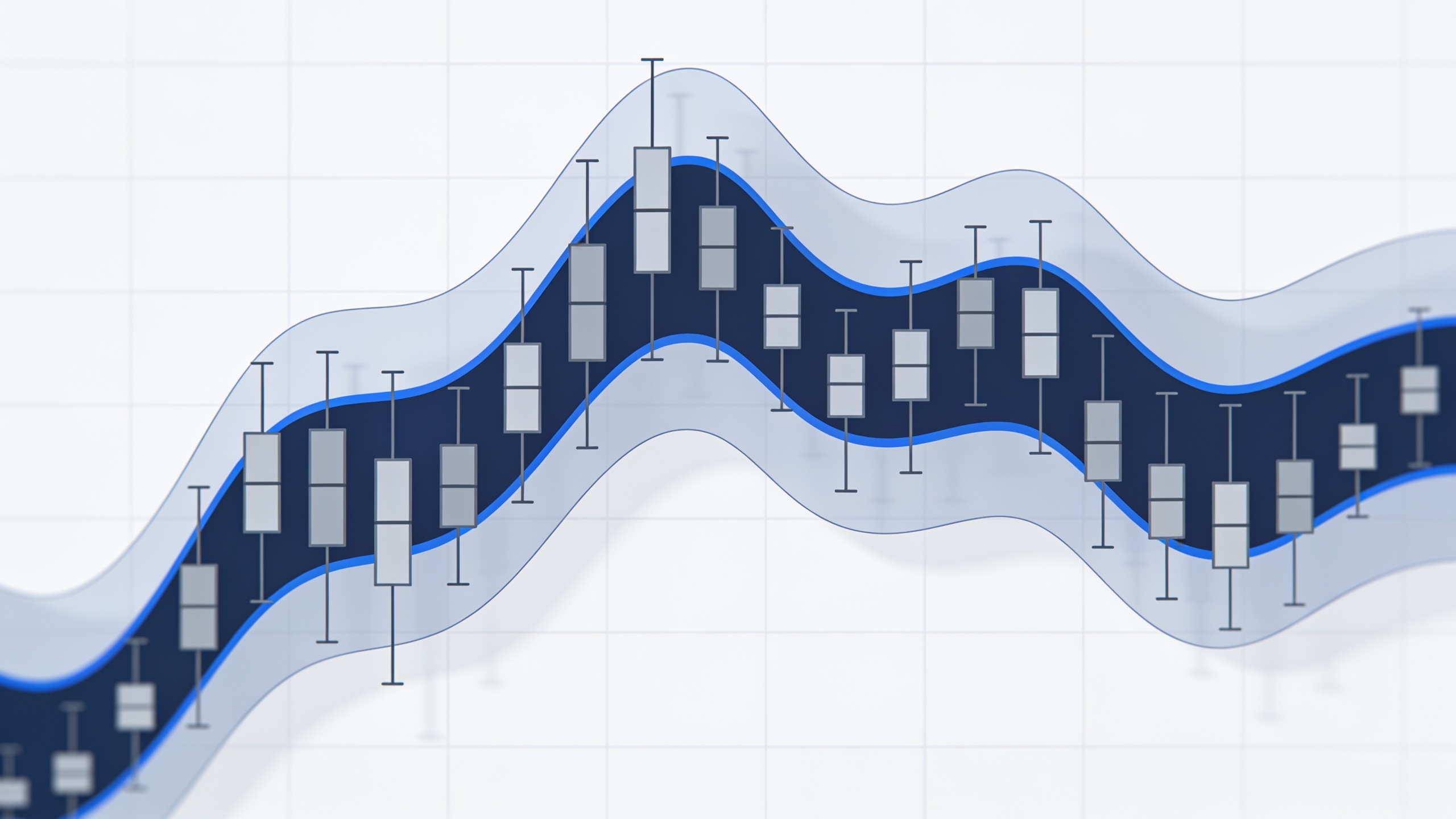
Volatility has a bad reputation. To many traders it is simply danger, the thing that widens spreads, triggers stops and turns a calm chart into a mess. But volatility is not the enemy; it is information. It is the market telling you how much it is moving right now, and a well-built system treats that reading as an input to nearly every decision rather than a hazard to flee.
[01]The same distance means different things
A stop placed a fixed distance from entry is not a fixed amount of risk, it depends entirely on how much the instrument is moving. In a quiet market that distance might be several times the typical hourly range, giving trades room to breathe; in a volatile one it might be inside the normal noise, guaranteeing you get stopped out by ordinary wiggles. Distance only has meaning relative to volatility.
[02]Let volatility size the trade
The practical fix is to measure current volatility and let it scale your decisions. Stops set as a multiple of a volatility measure adapt automatically: wider when the market is turbulent, tighter when it is calm. Because position size should follow stop distance, this feeds straight through to sizing, a more volatile setup produces a smaller position for the same account risk, which is exactly what you want.
[03]Regimes, not constants
Volatility also clusters. Calm tends to follow calm and turbulence to follow turbulence, until the regime flips. A strategy tuned in a placid stretch can behave very differently when volatility expands, and vice versa, which is one reason an edge that looked stable can wobble when conditions change. Reading the current regime is part of knowing whether to expect the behaviour you tested for.
[04]How a system uses it
An automated system can measure volatility continuously and fold it into every setup: sizing the stop from it, deriving the position from that, and setting targets consistent with how far the instrument is realistically moving. The value is not prediction, volatility does not tell you direction, but calibration. It keeps risk roughly constant across wildly different conditions, which is most of what steady survival requires.
This is educational and illustrative, not financial advice. Volatility can change abruptly and gaps can exceed any stop; measure it, respect it, and never assume a level will hold.